


Program Highlights 2025: Thomas Mann House
by Thomas Mann House
Mann 2025 – 150 Years of Thomas Mann
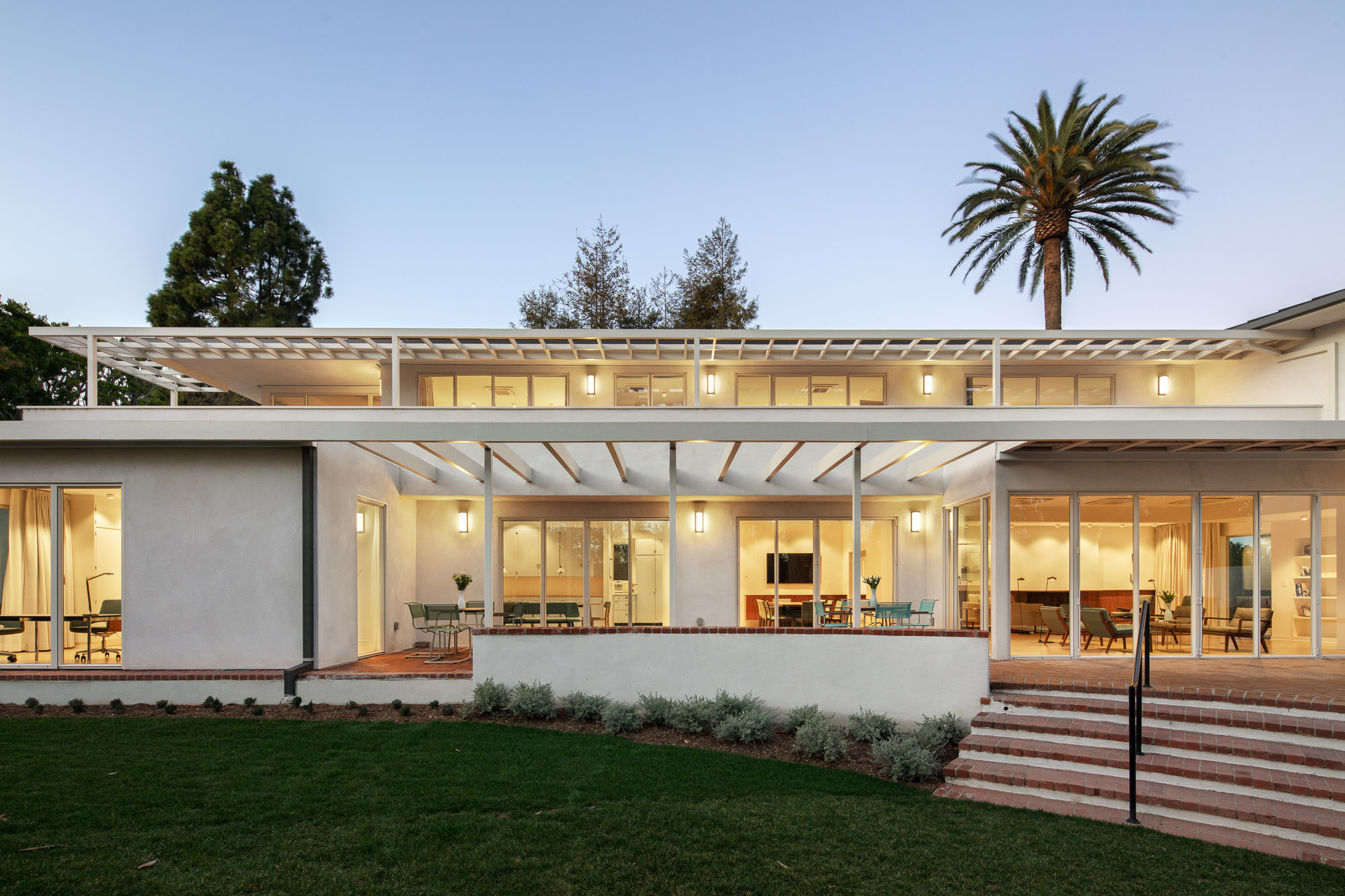
In 2025, the Thomas Mann House organized a diverse array of programs that not only celebrated Mann as a major literary figure, but also foregrounded his political commitments, his lifelong struggle for democracy, and activities in exile. Among the many highlights of this anniversary year was the reopening of the Thomas Mann House after the fires, right in time for Mann’s 150th birthday on June 6th. The event, titled “Faustus Revisited: Reading & Concert on Thomas Mann’s 150th Birthday,” featured readings from Doctor Faustus by performers of the LA Poverty Department and a musical program co-curated with the legendary Monday Evening Concerts series and our Fellow-in-residence Steven Walter. In May, we organized the symposium "An Appeal to Reason: A Celebration of Democracy, Freedom, and Culture" in Washington, D.C., together with the Goethe-Institut, USC Libraries, and the USC Center for Advanced Genocide Research. In September, we explored "Thomas Mann as a Political Activist" with the Leo Baeck Institute in New York, featuring a keynote and conversation with scholars Kai Sina and Samantha Rose Hill.
Watch a selection of our Mann 2025 programs here.


Critical Currents – Bridging the Gap: A New Podcast Series
Democracy thrives on open dialogue, diverse perspectives, and the courage to engage across differences. How can we truly listen to each other and nurture our sense of solidarity? Our new podcast series Critical Currents examines the debates, movements, and cultural shifts shaping democratic life today. In an era of uncertainty, this podcast fosters thoughtful conversation and a deeper awareness of the forces that connect and divide us. Its first season, Bridging the Gap, turns toward moments of tension and shared experience, breaking down barriers through incisive exchanges with guests such as Lynne Thompson, Paul Holdengräber, 2025 Thomas Mann Honorary Fellow Susan Neiman, Rosecrans Baldwin, Eric Avila, and Lois Rosson. In the first episode of the series, podcast hosts Stella Horns and Dani Taylor speak with the fourth Poet Laureate of Los Angeles, Lynne Thompson, who is using poetry to close political and experiential divides between people. During the interview, Thompson reflects on the many forces that have shaped her poetic voice – from life transitions to her culture and heritage, to the broader poetry community. The podcast is hosted by three students, Dani Taylor, a UCLA English and History major; Stella Horns, studying Political Science and Narrative Studies at USC; and Ziyan Xie, pursuing a dual degree in Cognitive Science and European Languages and Transcultural Studies at UCLA—Critical Currents offers a fresh, curious perspective on the urgent questions animating public life. The podcast is a collaboration with the Wende Museum and dublab radio.
Listen to all episodes here!


Bridging Physical Barriers: Inclusion at the Nexus of Robotics, Architecture, and Art
In August, the Thomas Mann House hosted an interdisciplinary evening with Thomas Mann Fellow Robert Riener, Professor of Health Sciences and Technology at ETH Zurich. Following short presentations by leading researchers, Riener facilitated a conversation on the future of inclusion at the intersection of physical space, movement, and assistive technology, tied to our annual theme "Across Boundaries." The discussion brought together diverse perspectives from robotics, architecture, rehabilitation, performance, and design to consider how technology, the built environment, and the arts could converge to create more inclusive systems. Panelists included Prof. Burçin Becerik-Gerber (USC), a pioneer in Human-Building Interaction; Natalie Fung, a production manager, data analyst, wheelchair user, and advocate for accessibility; and Prof. David Reinkensmeyer (UC Irvine), a leading researcher in neuro-rehabilitation and robotics, and others. Together, they explored how bridging both physical and disciplinary divides can open new pathways toward accessibility, emphasizing the value of human-centered design and artistic insight. During his time at the Thomas Mann House, Robert Riener researched current technological trends in the field of AI and robotics, and their potential positive and negative effects on individuals with or without disabilities and on society as a whole. The goal of his project was to foster a dialogue about the appropriate use of new technologies in our society.